The Surprisingly Longevity of Tree Roots After Cutting
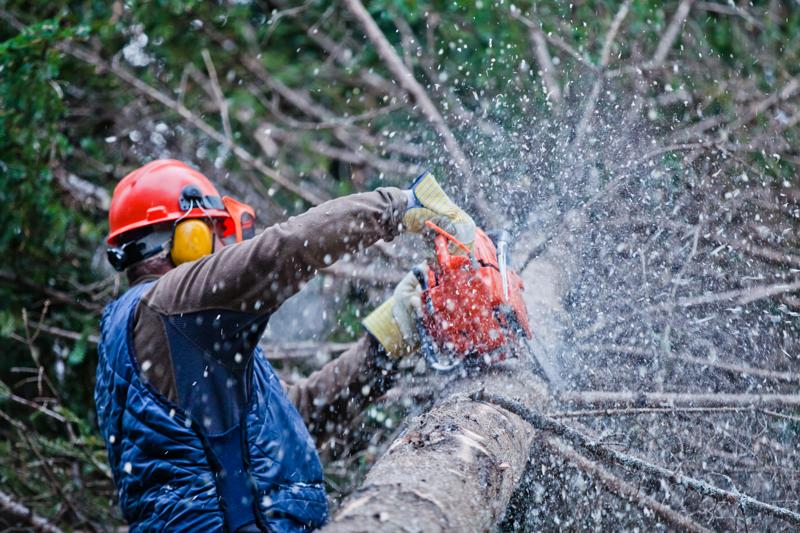
Tree removal is a necessary job for many property owners, but it’s not as easy as cutting off the trunk and leaving the roots to decay. Understanding the longevity of tree roots is vital in ensuring that the removal process is carried out correctly and safely. In this article, we will look at the time that tree roots live after a tree has been cut down , and also answer some of the most frequently-asked concerns about this subject.
How long do the tree’s roots last after cutting them down?
The time span for tree roots after a tree is cut down may vary widely based on the type of the tree being cut down, size of the root, and the environmental conditions. In general, it’s reasonable to believe that tree roots continue to exist for several years after a tree has been cut down. The reason for this is that the roots remain capable of absorbing moisture and nutrients from the soil{,|| and absorbing nutrients from the soil,} long after the plant is removed.
Factors that Affect the Longevity of Tree Roots
There are a variety of aspects that impact the life span of tree roots after a tree has been removed. These include the species of trees Certain species of trees possess roots which are much more robust and last longer than others. For instance, oak tree roots have been known to last for a long time after the tree is cut down. Dimension of roots The more extensive the tree’s roots is, the longer they’ll likely last after the tree has been cut down. This is because larger roots have a greater capacity to absorb nutrients and moisture from the soil. Environmental conditions: The soil kind, temperature, and the level of moisture in the area that the tree was removed can all impact the longevity of the roots. When the soil becomes dry, compacted and degraded the roots will decay more rapidly. In the case of soil that is well-drained and moist the roots will last longer.
What happens to tree Roots After Cutting Down?
If trees are cut down, the roots will slowly begin to decompose. The process could take several years, depending on the factors discussed above. During this time the roots slowly discharge nutrients to the soil which can be beneficial for other plants in the area. When the roots are fully gone through their decomposition, they will no longer be a danger to the surrounding landscapes or structures.
FAQs:
Can tree roots regrow after cutting them down?
The roots of trees cannot regrow after a tree has been cut down. Once the roots have been removed, they slowly begin to break down and cease to be capable of regrowing.
Are tree roots able to continue to grow after cutting them down?
Tree roots aren’t going to continue to grow after a tree has been cut down. But, they’ll remain alive for a number of years because they are still capable of taking in nutrients and moisture in the soil.
Do tree roots continue to spread after the cutting?
It is not true that tree roots won’t continue to grow after a tree has been removed. After the tree is removed, the roots are slowly beginning to break down and not pose a risk to the surrounding landscapes or structures.
Conclusion:
In conclusion, the longevity of tree roots after the tree has been removed can be a lot depending on several factors. Understanding the length of time the tree’s roots can last is vital to ensure that the removal process is done properly and safely. If you have trees that need being removed it’s always best to hire a professional Sydney Tree Lopping Services arborist to carry out the job. Our highly trained and experienced arborists have the equipment and expertise to safely and effectively remove trees and resolve any concerns regarding the durability and longevity of roots. Contact us now by phone at 1300 291 794 to schedule a consult and to learn more about our tree removal services for Sydney. Don’t put your home at risk or putting yourself in danger trying to remove a tree on your own. Let the professionals at Sydney Tree Lopping Services handle all of your tree removal requirements.